
SN95 Master Cylinder Swap for a Classic Mustang
A Simple Upgrade That Works Great with Factory KH Front Discs and SN95 Rear Discs
If you’re upgrading a classic Mustang to front and rear disc brakes, the master cylinder matters just as much as the calipers and rotors.
One of the best upgrades I’ve found is the SN95 master cylinder.
It bolts to the firewall in the factory location, is easy to source, and works very well with a disc/disc brake setup. For most manual-brake cars, my preferred choice is the 15/16" Cobra master cylinder.
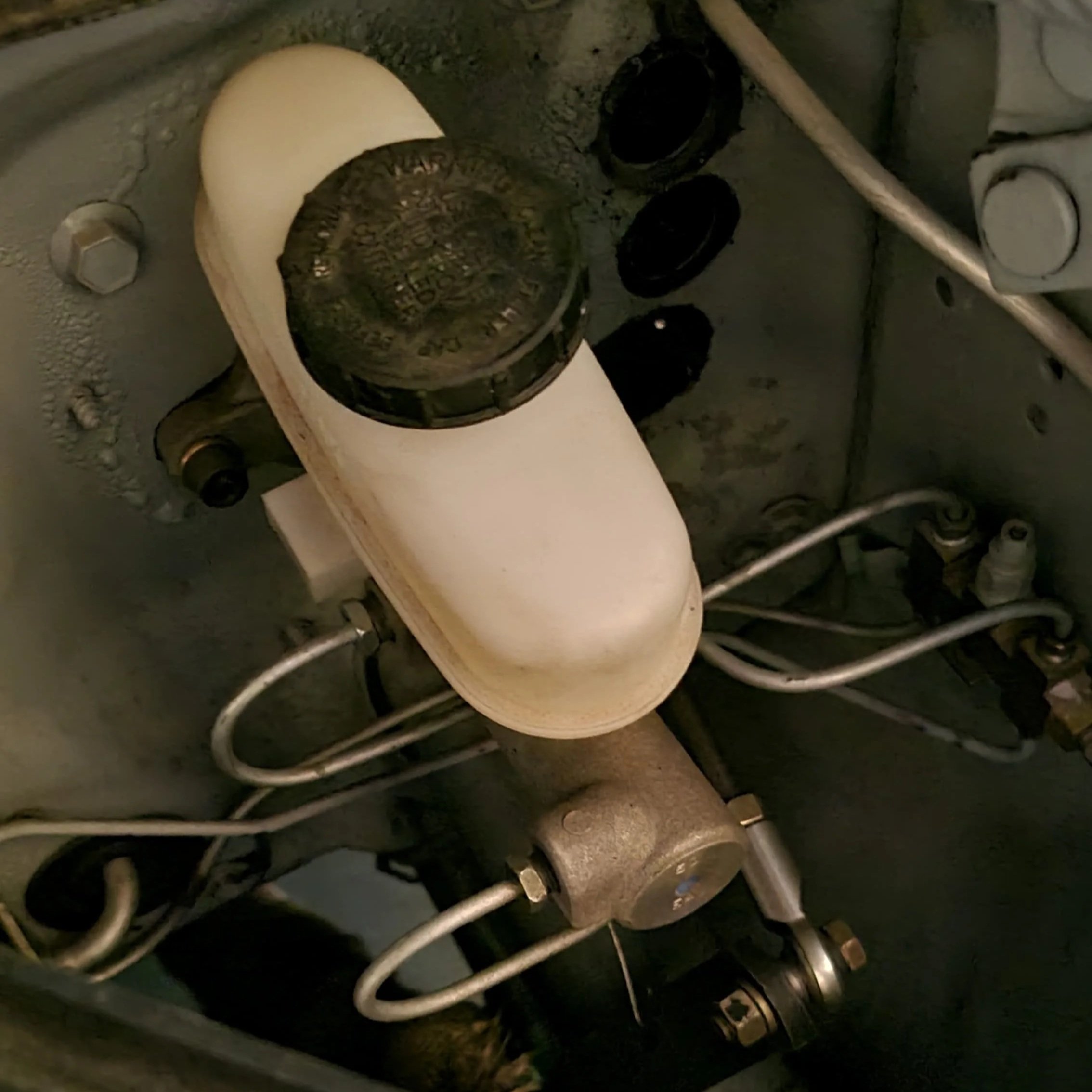
Why Use an SN95 Master Cylinder?
The SN95 master cylinder is a great fit for classic Mustang brake upgrades because it offers several advantages over older drum/disc or drum/drum master cylinders.
Main benefits
Bolts directly to the factory firewall location
Designed for a disc/disc brake system
Does not contain a residual pressure valve for rear drums
Easy to source as a replacement part
Made from lightweight aluminum
Works very well with factory KH front discs and SN95 rear discs
That combination makes it a very practical upgrade for anyone building a more modern, better-balanced brake system on an early Mustang.
Why I Recommend the 15/16" Cobra Master Cylinder
The 15/16" Cobra master cylinder is my preferred version for manual-brake cars.
The reason is simple:
it provides the most braking pressure with the least pedal effort
That makes it a very good match for a manual disc/disc setup, especially when using:
factory KH 4-piston front discs
SN95 rear disc brakes
It gives a good balance of pressure and pedal feel without making the pedal overly hard.
What About the 1" Bore?
The 1" bore version is recommended for power-assisted brake cars with GOOD vacuum signal.
A larger bore moves more fluid, but it also requires more pedal effort in a manual setup.
So for most manual classic Mustang builds, I would still choose the 15/16" Cobra master cylinder first.
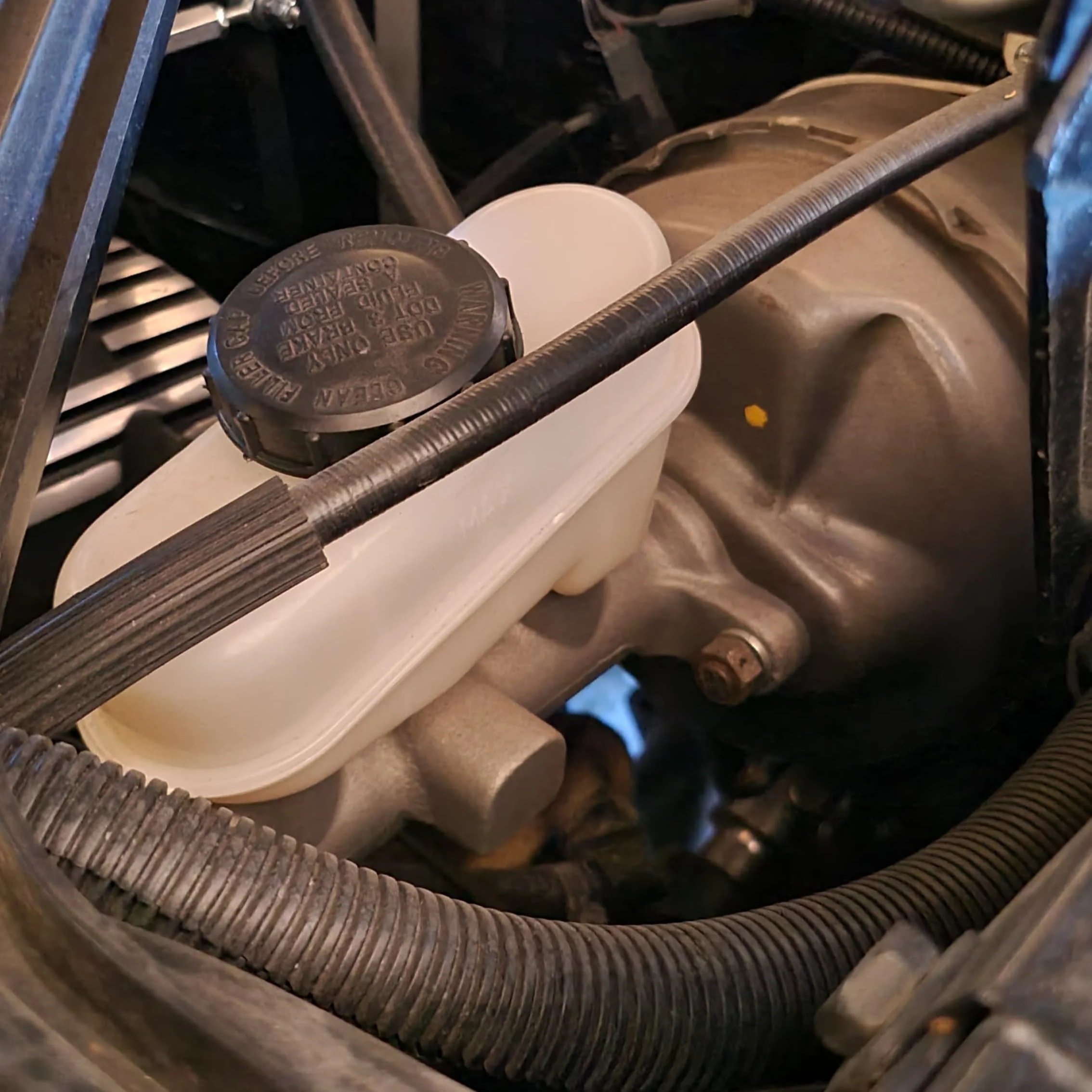
Why It Works Well with KH Fronts and SN95 Rears
This is one of the combinations where the SN95 master cylinder really shines.
With:
factory KH front discs
SN95 rear discs
you end up with a clean disc/disc system that works very well together.
The SN95 master cylinder matches that setup well because it was designed for disc/disc use and does not have the rear drum bias compromises built into some older master cylinders.
That makes it a very natural upgrade, especially in conjunction with rear disc conversions.
Installation Notes
One of the nice things about the SN95 master cylinder swap is that the master cylinder itself mounts in the stock location on the firewall and to the factory pedal.
The main difference is the brake line routing.
What changes
The ports are on the engine side of the master cylinder, so you will need to bend new brake lines and connect them to the distribution block.
That means the swap is not just a “bolt it on and go” job, but it is still very straightforward.
Basic Installation Overview
Remove the existing master cylinder
Bolt the SN95 master cylinder to the firewall
Bench bleed the new master cylinder
Bend and install new hard lines from the engine-side ports to the distribution block
Bleed the full brake system
Verify pedal feel and brake balance
Why This Upgrade Makes Sense
The SN95 master cylinder swap is one of those upgrades that works so well because it is simple, practical, and easy to source.
It gives you:
proper disc/disc master cylinder function
excellent compatibility with KH front discs and SN95 rear discs
better brake system matching for rear disc conversions
a very clean upgrade path without a lot of fabrication
Final Thoughts
If you’re building a classic Mustang with factory KH front discs and SN95 rear discs, the SN95 Cobra 15/16" master cylinder is one of the best master cylinder choices available.
It bolts to the stock firewall location, is set up for disc/disc use, does not have a rear drum residual valve, and provides strong braking pressure with less pedal effort than the larger 1" version.
For most manual-brake cars, it is the one I recommend first.